- Home
- »
- Dialysis
Dialysis Care for Children
At Aarogya Hospital, Child & Newborn Care, our team supports children and families through kidney-related treatment with clear communication, gentle care and a child-friendly approach.
What Is Dialysis?
The kidneys filter waste and extra fluid from the blood and help keep the body’s salt and mineral levels balanced. When the kidneys are unable to do this well enough, dialysis can help take over part of that work for a period of time.
Dialysis is a supportive treatment. Whether it is needed, for how long, and in what form is always decided by the treating doctor after a proper evaluation of your child.
What our pediatrics team offers
Our pediatrics department covers everyday childhood health growth monitoring, vaccinations, nutrition, sleep, behaviour and school readiness alongside diagnosis and treatment when a child is unwell.
Sudden kidney problems
Kidney function can drop suddenly during a serious illness, dehydration or infection. In some children this is temporary.
Long-term kidney conditions
Some conditions affect the kidneys over a longer period and may need ongoing monitoring and treatment planning.
Fluid and waste build-up
Swelling, reduced urine output, tiredness or changes in blood test results may lead the doctor to assess kidney function.
Support before further treatment
In some situations, dialysis is used as a bridge while the care team plans the next steps for the child.
If your child has any of these symptoms, please consult a doctor promptly for proper evaluation.
What to Expect: Your Child’s Care Journey
Consultation and evaluation
Treatment planning
Preparation
Monitored sessions
Follow-up and guidance
Types of Dialysis: General Information
There are different ways dialysis can be given. The right option depends on your child’s age, weight, medical condition and the doctor’s advice.
Hemodialysis
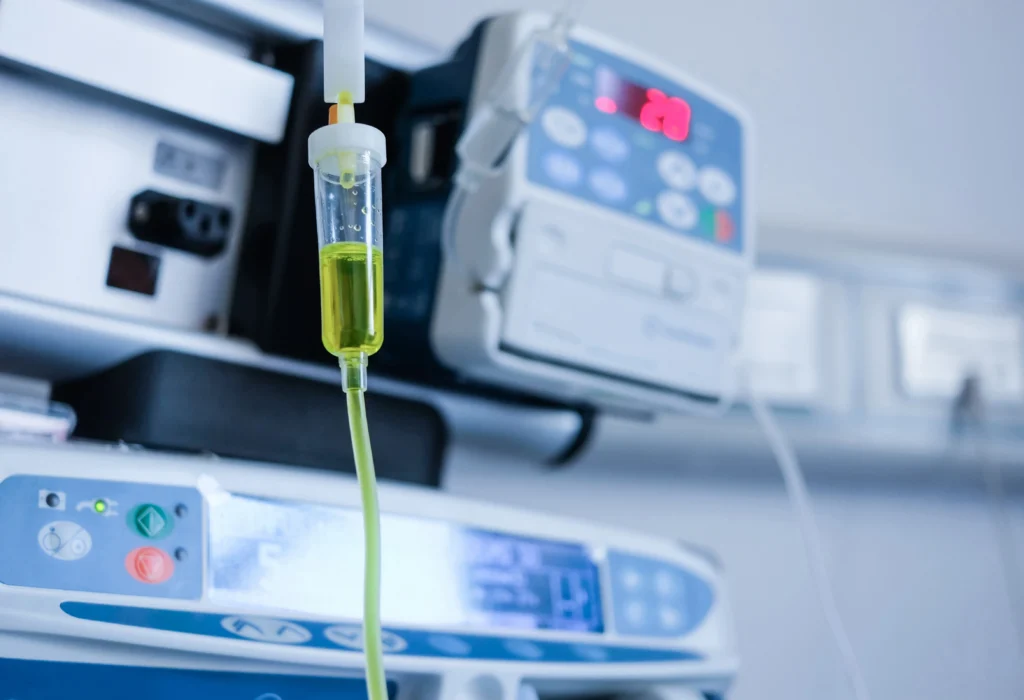
Blood is passed through a filter outside the body to remove waste and extra fluid, then returned. Sessions are done under the supervision of trained staff.
Peritoneal dialysis
The lining of the abdomen is used as a natural filter with a special dialysis fluid. It is often considered for infants and younger children.
Availability of a particular method may vary. Please contact the hospital to learn which options are available for your child.
Why Families Choose Aarogya Hospital
Aarogya Hospital is focused on the health of newborns and children. Our environment and team are built around the needs of young patients and their parents.
Child-focused care by a pediatric and neonatal team
Support from our pediatric specialists for kidney-related conditions such as nephrotic syndrome and urinary tract infections
24×7 emergency services for urgent needs
In-house laboratory for the tests your doctor advises
Simple explanations and open communication with parents