Newborn Screening Tests: What Parents Need to Know
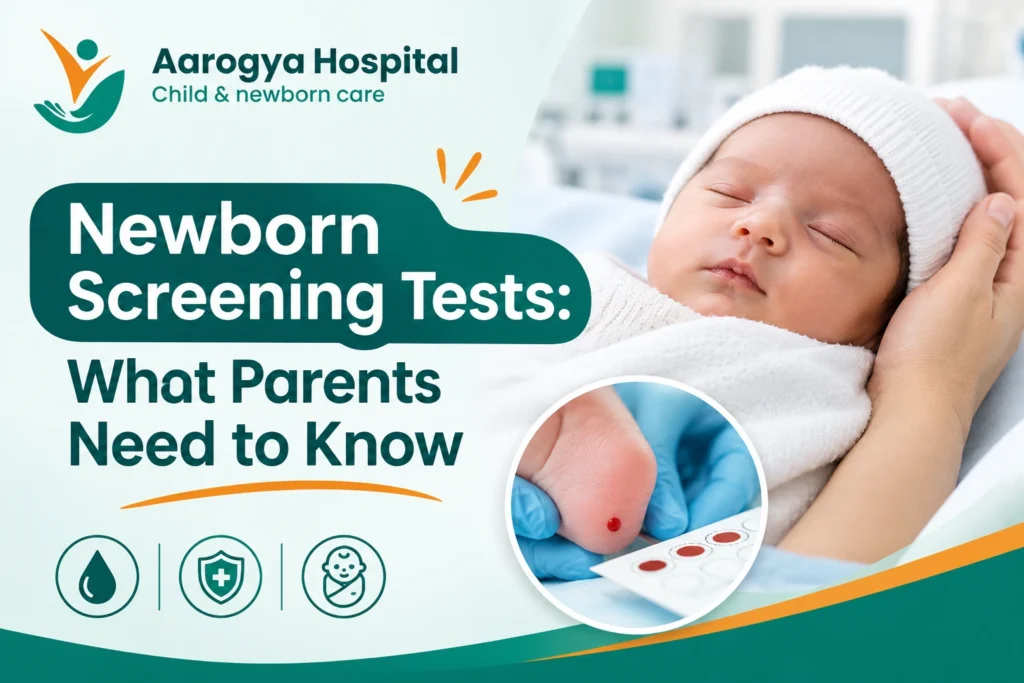
A Simple Guide to Important Health Tests for Newborn Babies The birth of a baby brings joy to every family. Every parent wants their baby to be healthy. However, some health problems are not easy to see at birth. This is why newborn screening tests are important. These tests help doctors find certain health problems early, even if the baby looks healthy. Early testing helps doctors take the right steps at the right time. It can also help prevent serious health problems. If you are looking for newborn care in Chandigarh, knowing about these tests can help you make better choices for your baby. What Are Newborn Screening Tests? Newborn screening tests are simple tests done soon after a baby is born. They help doctors check for certain health problems that may be present from birth. These problems may affect the baby’s genes, hormones, or body functions. Most babies with these conditions look healthy in the beginning. They may not show any signs of illness. Therefore, screening tests help doctors find possible problems early. However, these tests do not confirm a disease. If a result is not normal, the doctor may ask for more tests. Why Are Newborn Screening Tests Important? Newborn screening tests help protect a baby’s health. Some health problems can affect a baby’s growth and brain development if they are not treated on time. Here are some benefits of these tests: Early Detection: Tests help doctors find health problems early. Quick Treatment: Doctors can plan the next steps without delay. Healthy Growth: Early care can support the baby’s growth and development. Prevent Serious Problems: Timely treatment can lower the risk of health problems. Better Care: Parents get important information about their baby’s health. Types of Newborn Screening Tests Doctors may suggest different newborn screening tests based on the baby’s health and needs. 1. Blood Spot Screening Test This test is done by taking a few drops of blood from the baby’s heel. The blood sample is sent to a lab for testing. It helps doctors check for health problems related to hormones, genes, and body functions. Depending on the screening programme, this test may check for: Congenital hypothyroidism Phenylketonuria (PKU) Congenital adrenal hyperplasia (CAH) Some inherited metabolic disorders Other health problems included in the screening programme Finding these problems early helps doctors plan the right care for the baby. 2. Hearing Screening Test A newborn hearing test checks if a baby can hear sounds. Hearing is important for learning to speak and understand words. However, parents may not notice hearing problems in the first few days. Doctors may use two common tests: Otoacoustic Emissions (OAE): This test checks how the baby’s inner ear responds to sounds. Automated Auditory Brainstem Response (AABR): This test checks how the hearing nerve and brain respond to sounds. Early testing helps parents get the right care and support if their baby has a hearing problem. 3. Pulse Oximetry Screening Pulse oximetry is a simple and painless test. It checks the oxygen level in the baby’s blood. It can help doctors find some serious heart problems that may not be easy to notice during a normal check-up. During this test, a small sensor is placed on the baby’s hand or foot. It measures the amount of oxygen in the blood. If the result is not normal, the doctor may suggest more tests. 4. Screening for Congenital Hypothyroidism Congenital hypothyroidism is a condition in which the baby’s thyroid gland does not make enough thyroid hormone. This hormone helps the brain and body grow properly. A simple blood test can help doctors find this condition. If the test confirms the problem, the doctor can start the right treatment. Early treatment helps support the baby’s brain growth and overall development. 5. Screening for Other Metabolic Disorders Some babies are born with conditions that make it difficult for their bodies to use food for energy. These conditions may affect how the body uses proteins, fats, or sugars. In many cases, babies do not show clear signs at birth. Doctors may suggest extra tests based on the screening programme and the baby’s health. Finding these problems early helps doctors plan treatment, food changes, and regular check-ups. When Should Newborn Screening Tests Be Done? The right time for newborn screening depends on the type of test and the baby’s health. In general: Blood Spot Test: It is usually done after the first 24 hours of birth. Hearing Test: It is usually done before the baby leaves the hospital or within the first few weeks. Pulse Oximetry Test: It is usually done after 24 hours of birth or close to hospital discharge. Some babies may need these tests again. Therefore, parents should follow their doctor’s advice about the right time for each test. Are Newborn Screening Tests Painful? Most newborn screening tests are simple and safe. The blood test involves a small prick on the baby’s heel. The baby may cry for a short time. However, hearing and pulse oximetry tests are usually painless. They do not need any surgery or injections. Doctors and trained staff perform these tests carefully to keep the baby comfortable and safe. What Happens If a Newborn Screening Test Is Not Normal? An abnormal result does not always mean that your baby has a disease. Sometimes, the result may be affected by early testing, premature birth, or other health conditions. If a test result is not normal, the doctor may suggest: Repeating the test, if needed. Doing more tests to check the result. Meeting a paediatrician or specialist. Starting treatment if a health problem is confirmed. Having regular check-ups to check the baby’s health. Parents should not panic. However, they should not ignore an abnormal result. Always follow your doctor’s advice and complete any further tests on time. Do All Newborn Babies Need Screening? Yes, newborn screening is recommended for all babies, even if they look healthy. Some health problems do not show clear signs in the first few days after birth. A baby […]