
How to Transfer a Sick Newborn Safely Between Hospitals
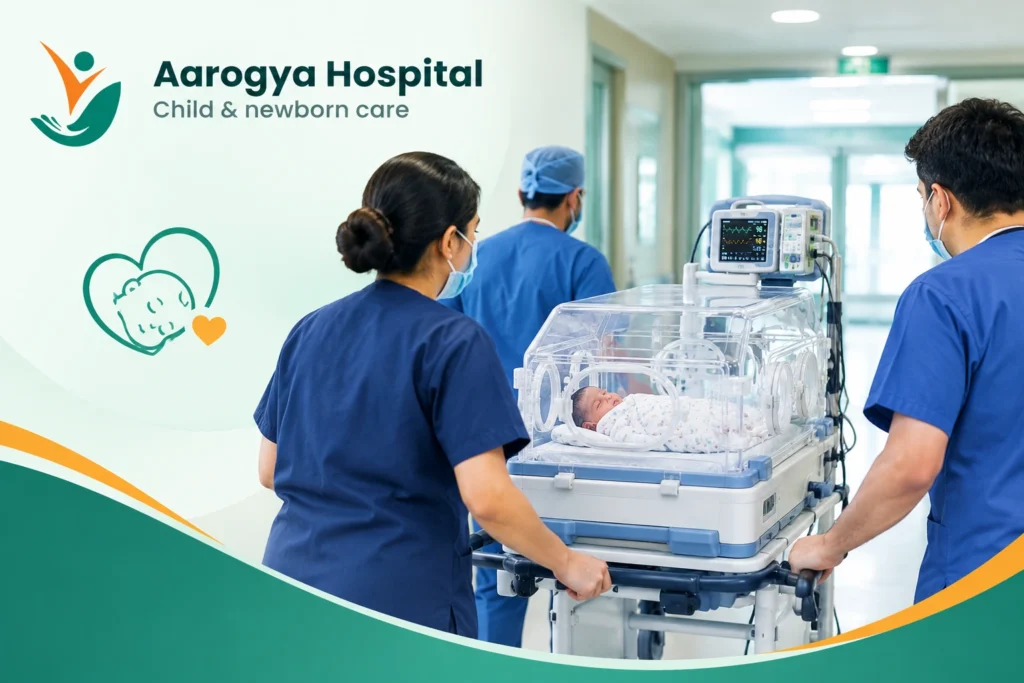
How to Transfer a Sick Newborn Safely Between Hospitals Sometimes, a newborn baby needs special medical care. The current hospital may not have the right treatment or equipment. In this case, doctors may suggest moving the baby to another hospital with a Neonatal Intensive Care Unit (NICU). However, moving a sick newborn needs careful planning. The baby needs trained medical staff, proper equipment, and safe transport. Premature babies and babies with low birth weight need extra care. Babies with breathing problems may also need special support during travel. Therefore, doctors must check the baby’s health before the journey. Aarogya Hospital, Chandigarh, near PGI Chandigarh, provides families with a place to ask about newborn care and NICU services. Families and referring doctors can contact the hospital to discuss the baby’s needs and available care. When Does a Newborn Need to Move to Another Hospital? Doctors may suggest moving a baby when the current hospital cannot provide the care the baby needs. Here are some common reasons: Premature birth: Babies born too early may need help with breathing, feeding, and staying warm. Low birth weight: Small babies may need help with feeding, body temperature, and blood sugar. Breathing problems: Some babies need oxygen or help from a breathing machine. Serious infections: Babies with severe infections may need antibiotics and close medical care. Problems during birth: Some babies need special care after a difficult birth. Severe newborn jaundice: High bilirubin levels may need quick treatment. Brain problems: Babies who do not get enough oxygen around birth may need special treatment and close monitoring. The doctor will decide whether the baby needs to move to another hospital. This decision depends on the baby’s health and the care available at the current hospital. How to Transfer a Sick Newborn Safely Between Hospitals A sick newborn needs special care during travel. Doctors must prepare the baby, arrange safe transport, and check the baby’s health throughout the journey. 1. Check the Baby Before Travel First, doctors check the baby’s breathing, heartbeat, body temperature, and general health. They may also check blood sugar and blood flow. If the baby has breathing problems, doctors may provide breathing support before travel. They may also treat low blood sugar or other serious problems. Doctors should make the baby as stable as possible before the journey. However, they should not delay urgent treatment when waiting could put the baby at risk. 2. Arrange Trained Medical Staff A sick newborn may need trained medical staff during the journey. Depending on the baby’s condition, the team may include a doctor or a nurse with newborn care training. The team must know how to care for the baby and respond to emergencies. The current hospital should also speak with the new hospital before the journey. This helps the receiving team prepare for the baby’s arrival. 3. Use the Right Medical Equipment Some babies need special equipment during travel. The medical team will choose the equipment based on the baby’s needs. This equipment may include: Transport incubator: Keeps the baby warm during travel. Oxygen supply: Gives extra oxygen when needed. Breathing support: Helps the baby breathe when needed. Monitoring devices: Check the baby’s heartbeat and oxygen levels. Infusion pumps: Give fluids or medicines at the right rate. Emergency equipment: Helps medical staff respond to sudden problems. Before leaving, the team checks all the equipment. They also make sure there is enough oxygen, battery power, and medical supplies for the journey. 4. Keep the Baby Warm Newborn babies can lose body heat quickly. Premature babies and babies with low birth weight are at greater risk. Therefore, the medical team must keep the baby warm during travel. A transport incubator or another suitable warming system can help. The team should also check the baby’s temperature during the journey. 5. Check the Baby During Travel The medical team must watch the baby’s health throughout the journey. They may check: Heartbeat and breathing Oxygen levels Body temperature Blood sugar, when needed Blood pressure, when needed If the baby’s condition changes, the team must provide the right care quickly. 6. Share the Baby’s Medical Reports Before the transfer, the current hospital should share the baby’s medical records with the new hospital. These records may include: Birth details and weeks of pregnancy at birth Birth weight and current weight The baby’s current health problems Medicines and treatment already given Blood test results and other reports Oxygen needs and breathing support Problems during birth These details help the new medical team understand the baby’s condition. They also help doctors continue treatment without unnecessary delays. 7. Choose the Right Hospital The new hospital should have the right medical team and equipment for the baby’s needs. For example, a baby with serious breathing problems may need advanced NICU care. A premature baby may need help with feeding, staying warm, and gaining weight. Parents should speak with the treating doctor before the transfer. They should also ask about bed availability, treatment options, and transport arrangements. What Should Parents Do Before the Transfer? Parents may feel worried when doctors suggest moving their baby to another hospital. However, a few simple steps can help them prepare. Parents should: Ask why the baby needs to move. Find out what treatment the baby needs. Confirm the name of the new hospital. Ask who will care for the baby during travel. Keep medical reports and referral papers ready. Follow the doctor’s instructions. Most importantly, do not delay an urgent transfer. Never take a seriously ill newborn in a private car without medical advice and a safe travel plan. Why Is NICU Care Important During a Newborn Transfer? A Neonatal Intensive Care Unit (NICU) provides special care for newborn babies who need extra medical support. Depending on the baby’s condition and the hospital’s facilities, NICU care may include: Help with breathing Support to keep the baby warm Checks of heartbeat and oxygen levels Treatment for infections Help with feeding and fluids Care for premature babies Care for babies with low birth […]