Ayushman Bharat empanelled Chandigarh

child health check-up

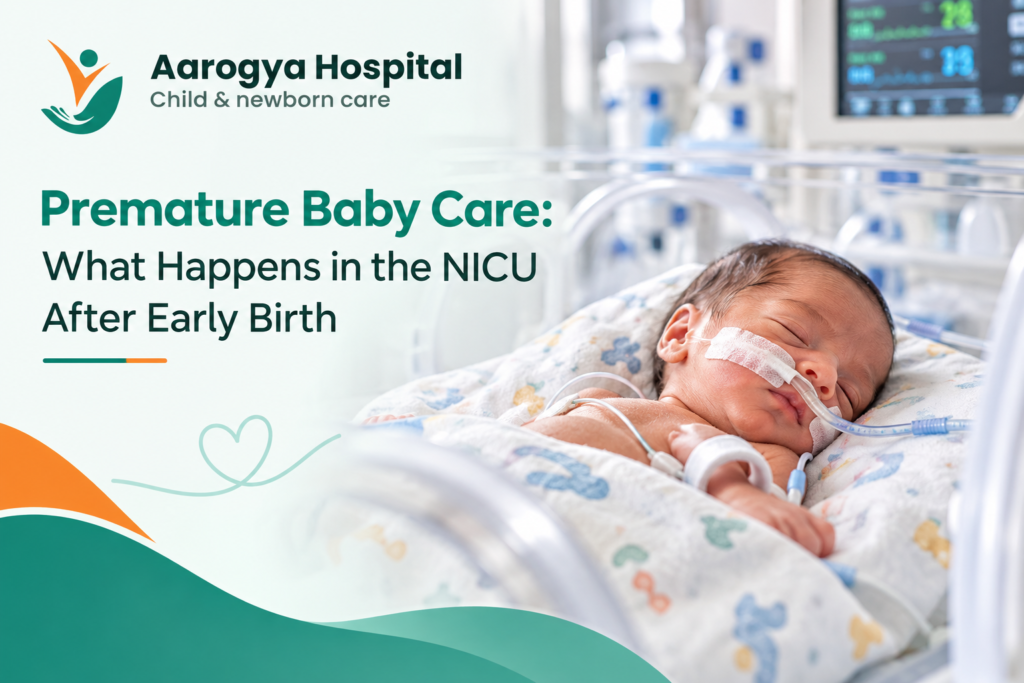
Premature baby receiving specialised care inside a neonatal intensive care unit (NICU)
BLOG

Premature Baby Care: What Happens in the NICU After Early Birth

Premature Baby Care: What Happens in the NICU After Early Birth? A baby born before 37 weeks of pregnancy is call premature baby. These babies may need extra care because their organs are not fully develop. Therefore, doctors may recommend keeping them in a Neonatal Intensive Care Unit (NICU) for special medical care. An early birth can be stressful and emotional for parents. However, learning about premature baby care can help you feel more prepared. In this guide, we explain what happens in the NICU, how doctors care for premature babies, and what parents can expect during their baby’s hospital stay. What Is a NICU and Why Do Premature Babies Need It? A Neonatal Intensive Care Unit (NICU) is a special hospital unit for newborn babies who need close monitoring and extra medical care. Premature babies may need NICU care for several reasons: Breathing difficulties: Their lungs may not be fully develop, making breathing harder. Low birth weight: They may need extra help with feeding and gaining weight. Temperature control: They may find it difficult to keep their body warm. Feeding problems: They may not yet be strong enough to suck and swallow properly. Risk of infection: Their immune systems are still developing, so they may be more likely to get infections. The care a baby needs depends on how many weeks early they were born, their birth weight, their health, and how well they are growing. What Happens in the NICU After a Premature Baby Is Born? Every premature baby needs different care. Therefore, the NICU team makes a care plan based on the baby’s health and needs. 1. Initial Assessment and Monitoring After birth, doctors check the baby’s breathing, heartbeat, body temperature, and overall health. They may also check the baby’s blood sugar and oxygen levels. Special machines help doctors and nurses keep a close eye on the baby’s health. They can quickly provide extra care if the baby’s condition changes. 2. Support for Breathing Some premature babies need help breathing because their lungs are not fully develop. Depending on the baby’s health, doctors may provide extra oxygen to help them breathe. They may use CPAP, which helps keep the airways open, or a ventilator to support breathing. In some cases, doctors may recommend other advanced breathing treatments. The medical team regularly reviews the baby’s breathing and adjusts support as needed. 3. Keeping the Baby Warm Premature babies have less body fat, so they can lose body heat quickly. Therefore, keeping them warm and maintaining a steady body temperature is an important part of NICU care. Doctors may place the baby in an incubator or under a special warmer to keep them warm. This helps maintain the right body temperature while the baby grows stronger. 4. Feeding and Nutrition Support Some premature babies may not be able to feed from the breast or bottle at first. They may need extra help to get enough nutrition to grow and develop properly. Depending on the baby’s health, doctors may give expressed breast milk through a feeding tube. If the baby cannot get enough milk, they may provide nutrients through a vein for some time. Breast milk is usually encourage when possible because it provides important nutrients and helps protect the baby from infections. The NICU team can guide parents on how to express and store breast milk safely. 5. Preventing and Treating Infections Premature babies have a higher risk of infections. Therefore, the NICU team follows strict hygiene practices and checks babies regularly for signs of illness. If doctors suspect an infection, they may recommend blood tests or other checks. They may also give antibiotics if needed to treat the infection. Parents and visitors should wash or clean their hands properly and follow the NICU’s rules to help protect babies from infections. 6. Monitoring Growth and Development The NICU team regularly checks the baby’s weight, feeding, body temperature, breathing, and other important signs to make sure the baby is doing well. Some babies may need extra health checks depending on how early they were born and their medical condition. These may include eye tests, hearing tests, or brain scans if needed. The aim is to help the baby grow well and find and treat any health problems early. Advanced NICU Care for Premature Babies Some premature babies need special medical care, especially if they are born very early or have serious health problems. Depending on the baby’s needs and available facilities, advanced NICU care may include: Breathing support: Helps babies who have difficulty breathing. Continuous monitoring: Tracks the baby’s vital signs and helps doctors notice changes. aEEG/CFM monitoring: Helps doctors check brain activity in selected babies. Therapeutic hypothermia: Control cooling may be use for eligible newborns with certain types of brain injury cause by a lack of oxygen. Specialist assessment: Neonatologists and other specialists check babies who need extra medical care. Not every premature baby needs these treatments. Doctors decide which tests and treatments are need base on the baby’s health. How Long Does a Premature Baby Stay in the NICU? Every premature baby needs a different length of stay in the NICU. It depends on how early the baby was born, their birth weight, breathing, feeding, and overall health. Some babies need to stay in the NICU for only a short time, while others may need care for several weeks or longer. Before discharge, the medical team generally checks whether the baby can: Maintain a stable body temperature. Breathe safely without the level of support they no longer need. Feed adequately and show appropriate growth. Remain medically stable with a suitable follow-up plan. Every baby grows and improves at their own pace. The NICU team will explain when your baby can go home and how to care for them safely. How Can Parents Support Their Premature Baby in the NICU? Parents play an important role in their baby’s care. The NICU may feel new and unfamiliar, but small steps can help parents stay involved in their baby’s care. […]
Child health check-up with paediatrician in Chandigarh
BLOG

How Often Should Children Have a Health Check-Up

How Often Should Children Have a Health Check-Up? Regular health check-ups help parents understand how their child is growing and developing. They also help doctors find health problems early. Many parents visit a doctor only when their child is sick. However, children also need regular check-ups when they are healthy. These visits help the doctor check their growth, development, nutrition, immunity, and overall health. So, how often should children have a health check-up? The answer can vary based on the child’s age, health, development, and medical history. Why Are Regular Health Check-Ups Important for Children? Children grow and develop quickly. Therefore, regular check-ups help parents and doctors track important changes in their child’s health. During a health check-up, the doctor may assess: Height and weight Growth pattern Physical development Eating and nutrition habits Sleep patterns Vision and hearing Speech and learning development Emotional and behavioural development Vaccination status General physical health Regular visits also give parents a chance to talk to the doctor about any concerns they have about their child’s health. How Often Should Children Have a Health Check-Up? There is no single check-up schedule for every child. Young children usually need more regular visits because they grow and develop quickly. A general approach may include: Babies and Young Children Babies need regular health check-ups in their early years. These visits help doctors check their growth, development, feeding, vaccinations, and other important health needs. Therefore, parents should follow the schedule recommended by their paediatrician. School-Age Children School-age children may also need regular health check-ups. These visits can help doctors monitor their physical growth, vision, hearing, nutrition, and development. A doctor can also talk about your child’s school performance, sleep, physical activity, and other health concerns. Teenagers Teenagers also benefit from regular health check-ups. During this stage, doctors may discuss growth, nutrition, exercise, sleep, emotional well-being, and other health concerns. Regular check-ups can also help teenagers build healthy habits that may continue into adulthood. What Happens During a Child Health Check-Up? A routine child health check-up may include several simple health checks. 1. Growth Assessment Additionally, the doctor may measure your child’s height and weight. These measurements help track their growth over time. 2. Physical Examination The doctor may also check your child’s heart, lungs, stomach, ears, throat, skin, and other areas based on their age and health needs. 3. Developmental Assessment For younger children, the doctor may check milestones such as movement, speech, communication, and social skills. 4. Vaccination Review Moreover, the doctor can check if your child is up to date with the recommended vaccinations. 5. Nutrition and Lifestyle Discussion The doctor may also ask about your child’s diet, physical activity, sleep, screen time, and daily routine. 6. Vision and Hearing Additionally, depending on your child’s age and needs, the doctor may check their vision and hearing or recommend screening. When Should You Take Your Child to a Doctor Between Routine Check-Ups? However, you do not need to wait for the next routine check-up if your child develops a health concern. Contact a paediatrician if your child has symptoms such as: Persistent fever Breathing difficulty Severe or ongoing pain Repeated vomiting or diarrhoea Poor feeding Sudden changes in behaviour Unusual tiredness Delayed development Poor weight gain Frequent infections Problems with vision or hearing If your child has severe symptoms or seems very unwell, seek urgent medical care. How Can Parents Prepare for a Child Health Check-Up? Parents can make the check-up more useful by preparing some important details in advance. You can keep a note of: Your child’s current medicines Previous medical conditions Allergies Vaccination records Recent symptoms Changes in eating or sleeping Developmental concerns Questions you want to ask the doctor This information can help the doctor better understand your child’s health. Benefits of Regular Child Health Check-Ups Regular check-ups help parents stay informed about their child’s health and development. They can help with: Monitoring healthy growth Identifying possible concerns early Keeping vaccinations up to date Supporting healthy nutrition Monitoring developmental milestones Managing ongoing health conditions Answering parents’ health questions Most importantly, regular visits help keep a clear and up-to-date health record for your child. Conclusion Children need regular health check-ups even when they seem healthy. These visits help doctors monitor their growth, development, vaccinations, nutrition, and overall well-being. The timing of check-ups can vary based on your child’s age and health needs. Therefore, parents should follow the schedule recommended by their paediatrician. If you have concerns about your child’s growth, development, nutrition, or general health, speak with a qualified paediatrician instead of waiting for the next routine check-up. FAQs How often should a healthy child visit a doctor? The recommended check-up schedule depends on the child’s age and health needs. Babies and young children usually need more frequent visits, while older children may need check-ups less often. Does my child need a check-up if they are healthy? Yes. Regular check-ups can help monitor your child’s growth, development, vaccinations, nutrition, and overall health, even when they have no obvious symptoms.Lorem ipsum dolor sit amet, consectetur adipiscing elit. Ut elit tellus, luctus nec ullamcorper mattis, pulvinar dapibus leo. What age should regular child health check-ups start? Health checks begin in infancy. Parents should follow the paediatrician’s recommended schedule from the early months of their child’s life. What is check during a child health check-up? A doctor may check your child’s growth, physical health, development, nutrition, vaccinations, vision, hearing, sleep, and other health needs based on their age.Lorem ipsum dolor sit amet, consectetur adipiscing elit. Ut elit tellus, luctus nec ullamcorper mattis, pulvinar dapibus leo. Should teenagers have regular health check-ups? Yes. Teenagers can benefit from regular health check-ups to monitor growth, nutrition, sleep, physical activity, and other health needs during adolescence.Lorem ipsum dolor sit amet, consectetur adipiscing elit. Ut elit tellus, luctus nec ullamcorper mattis, pulvinar dapibus leo. When should I take my child to a doctor? Take your child to a doctor if you notice ongoing or unusual symptoms, concerns about growth or development, or changes […]

Pediatrician examining a child during a routine health check-up
BLOG

When Should You Take Your Child to a Pediatrician

When Should You Take Your Child to a Pediatrician? Children can have fever, cough, cold, stomach pain, and other common illnesses. Most mild symptoms get better with proper care. However, some symptoms may need to be checked by a pediatrician. Knowing when to take your child to a pediatrician can help your child get the right care on time and prevent small health problems from getting worse. What Does a Pediatrician Do? A pediatrician is a doctor who cares for babies, children, and teenagers. They treat common childhood illnesses and also check a child’s growth and development. Regular pediatric visits can help with: Growth and development checks Vaccinations Nutrition and feeding advice Common childhood infections Fever and recurring illnesses Respiratory problems Digestive problems Allergies and skin conditions Developmental concerns Preventive healthcare When Should You Take Your Child to a Pediatrician? You should see a pediatrician if your child has symptoms that last for a long time, are severe, keep coming back, or affect daily activities. 1. Your Child Has a Persistent Fever Fever is common in children and can happen during infections. However, see a pediatrician if the fever lasts, comes back often, or your child looks very unwell. For babies, especially very young infants, fever should be take seriously and checked by a healthcare professional as soon as possible. 2. Your Child Has Difficulty Breathing Breathing problems can sometimes need urgent medical care. Watch for signs such as: Fast or difficult breathing Wheezing Noisy breathing Chest pulling in while breathing Blue or grey lips or skin Difficulty speaking, crying, or feeding because of breathing problems If your child is having trouble breathing or looks very unwell, get emergency medical help right away. 3. Your Child Is Not Eating or Drinking Properly Children may eat less when they are sick. However, poor eating or drinking can be a concern if it continues. Contact a pediatrician if your child: Refuses most fluids Has difficulty feeding Vomits repeatedly Has very few wet diapers or is urinating much less than usual Appears unusually weak or sleepy These signs may be a sign of dehydration or another health problem. 4. Your Child Has Repeated Vomiting or Diarrhoea Vomiting and diarrhoea are common in children, especially during infections. However, repeated vomiting, frequent loose stools, blood in the stool, severe stomach pain, or signs of dehydration should be checked by a doctor. A pediatrician can find the possible cause and suggest the right treatment. 5. Your Child Has a Persistent Cough or Cold Coughs and colds are common in children. However, see a pediatrician if your child’s cough: Lasts longer than expected Keeps getting worse Interferes with sleep or feeding Is associate with breathing difficulty Comes with persistent fever Keeps coming back frequently A pediatrician can check if the symptoms are cause by an infection, allergy, asthma, or another health problem. 6. Your Child Has Ear Pain Ear pain can happen because of an ear infection, a blocked nose, or other problems. If your child has ongoing ear pain, fever, fluid or discharge from the ear, or hearing problems, see a pediatrician. Young children may show ear pain by crying, becoming fussy, or touching their ear again and again. 7. Your Child Has a Rash That Concerns You Many rashes in children are harmless, but some may need to be checked by a doctor. Seek medical advice if a rash: Appears suddenly and spreads quickly Comes with fever Causes significant swelling or discomfort Has blisters or skin peeling Is associate with breathing difficulty or swelling of the lips or face A pediatrician can check the rash and see if your child needs further treatment. 8. Your Child Is Losing Weight or Not Growing as Expected Children grow at different rates. However, regular growth checks can help find possible nutrition, hormone, development, or other health problems early. Speak with a pediatrician if you notice: Poor weight gain Unexplained weight loss Poor appetite over a long period Delayed growth Concerns about your child’s height or development 9. You Notice Developmental Concerns Parents may sometimes notice that their child is not reaching expected developmental milestones. Talk to a pediatrician if your child has difficulties with: Speech and language Walking or movement Learning Social interaction Communication Behaviour Early check-ups can help find out if your child needs more tests or extra support. 10. Your Child Gets Sick Frequently Getting sick sometimes is normal for children. However, if your child often gets infections, misses school frequently, or takes a long time to get better, talk to a pediatrician. The doctor can check your child’s medical history and decide if more tests or checks are need. When Should You Take Your Baby to a Pediatrician? Babies need extra care because they may not be able to clearly tell you what is wrong. Contact a pediatrician promptly if your baby: Has difficulty breathing Is feeding poorly Is unusually sleepy or difficult to wake Repeated vomiting Significantly fewer wet diapers High or concerning temperature Develops unusual skin colour changes Has persistent crying that you cannot settle For a very young baby with a fever or serious symptoms, get medical help quickly. Do not wait for the symptoms to get better on their own. When Is It an Emergency? Some symptoms need immediate medical care instead of waiting for a regular pediatrician appointment. Take your child for emergency medical care if they have: Severe difficulty breathing Blue, grey, or very pale skin or lips Loss of consciousness A seizure Severe dehydration Severe bleeding A serious injury Sudden severe weakness or confusion A severe allergic reaction with breathing difficulty or swelling If you think your child is seriously ill, get emergency medical help right away. Why Regular Pediatric Check-Ups Matter You do not have to wait until your child is sick to see a pediatrician. Regular check-ups help keep track of your child’s overall health. During routine visits, a pediatrician may assess: Height and weight Growth patterns Developmental milestones Nutrition Vaccination status Vision and hearing […]

BLOG

Why Regular Pediatric Check-Ups Matter Even When Your Child Is Healthy

Why Regular Pediatric Check-Ups Matter Even When Your Child Is Healthy Every parent wants their child to stay happy and healthy. When a child feels well, parents may think that a doctor visit is not needed. However, this is not always the case. Regular pediatric check-ups are important even when your child looks healthy. These visits help doctors track growth, development, nutrition, and overall health. They also give parents a chance to ask questions about their child’s health. In addition, regular visits can help find some health concerns early. As a result, parents can take action at the right time. If you are looking for a pediatric hospital in Chandigarh, regular visits with a pediatrician can help you stay updated about your child’s health. What Are Regular Pediatric Check-Ups? Regular pediatric check-ups are planned visits to a pediatrician. These visits help check whether your child is growing and developing well. During a pediatric check-up for children, the doctor may check your child’s height and weight. The doctor may also ask about sleep, food, activity, and daily habits. In addition, the pediatrician may talk about vaccines and development. You can also discuss any health concern you have noticed. Most importantly, your child does not need to be sick to have a check-up. Why Are Regular Pediatric Check-Ups Important? 1. They Help Track Your Child’s Growth Children grow quickly, especially during the early years. Therefore, it is important to keep track of their growth. During a child health check-up, the pediatrician can check your child’s height and weight. The doctor can also look at the child’s growth pattern over time. This pediatric health monitoring helps parents understand how their child is growing. It can also help spot changes that may need more attention. Moreover, parents can ask questions about weight, height, food, and physical activity. 2. They Help Monitor Child Development Children learn new skills as they grow. For example, they learn to speak, walk, play, and interact with others. Therefore, monitoring child development is an important part of child care. During a check-up, the pediatrician may ask about speech, learning, movement, and behavior. The doctor may also ask how your child interacts with family and other children. If there is a concern, early advice can be helpful. Parents can then learn what steps they can take to support their child’s development. 3. They Can Help Find Health Problems Early Some health problems may not show clear signs at first. A child may look active and healthy while still having a health concern. For this reason, regular check-ups are useful. A child health check-up allows the pediatrician to review your child’s general health. The doctor can also suggest further care if something needs attention. As a result, parents can get advice before a small concern becomes harder to manage. 4. They Help Keep Vaccines on Track Vaccines are an important part of preventive pediatric care. They help protect children from several serious diseases. During routine visits, parents can check whether their child’s vaccines are up to date. If a vaccine was missed, the pediatrician can guide you about what to do next. Also, parents can ask questions about vaccines. This can help them understand their child’s vaccination needs. Therefore, keeping regular pediatric visits can make it easier to stay on track with your child’s vaccines. 5. They Support Healthy Eating Good food is important for child growth and development. However, many children go through changes in their eating habits. Some children are picky eaters. Others may eat too much or too little. Parents may also have questions about healthy snacks and daily meals. During a healthy child check-up, you can discuss these concerns with a pediatrician. You can ask about: Healthy food choices Picky eating Healthy snacks Weight changes Daily meals Vitamins and nutrients Food habits The pediatrician can then provide advice based on your child’s age and health needs. 6. They Help Parents Understand Childhood Changes Every child is different. Therefore, parents may have questions about normal childhood changes. For example, you may have concerns about your child’s sleep, food, behavior, learning, or activity. Routine visits give you time to discuss these concerns. A pediatrician for child health can explain what may be normal for your child’s age. The doctor can also suggest when your child may need more care. As a result, parents can feel more informed about their child’s health. What Happens During a Child Wellness Check-Up? A child wellness check-up usually includes simple health checks. However, the exact checks may depend on your child’s age and health needs. During the visit, the pediatrician may: Check your child’s height Check your child’s weight Review growth Ask about food habits Discuss sleep Review vaccines Ask about physical activity Discuss learning and school Check development Discuss behavior Answer parents’ questions These simple steps can give parents a better idea of their child’s overall health. How Often Should Children Have Pediatric Check-Ups? The need for routine pediatric visits can be different for every child. It may depend on age, growth, health, and medical history. Babies and young children often need regular visits because they grow and develop quickly. Older children may need visits based on their age and health needs. Therefore, parents should ask their pediatrician about a suitable check-up schedule. It is also important not to wait for an illness before seeing a doctor. Regular visits can help you keep track of your child’s health. Regular Check-Ups Are Not Only for Sick Children Many parents take their child to the doctor only when the child is sick. However, regular care is also important when a child feels well. Preventive healthcare for children focuses on staying healthy and finding possible concerns early. For example, a routine visit can help track growth and development. It can also help parents stay updated about vaccines and nutrition. In addition, regular children’s health screening may help the doctor decide if a child needs more tests or care. So, a healthy child can still benefit from […]

Scroll to Top