
Ayushman Bharat empanelled Chandigarh

neonatal intensive care

Therapeutic hypothermia for HIE
BLOG

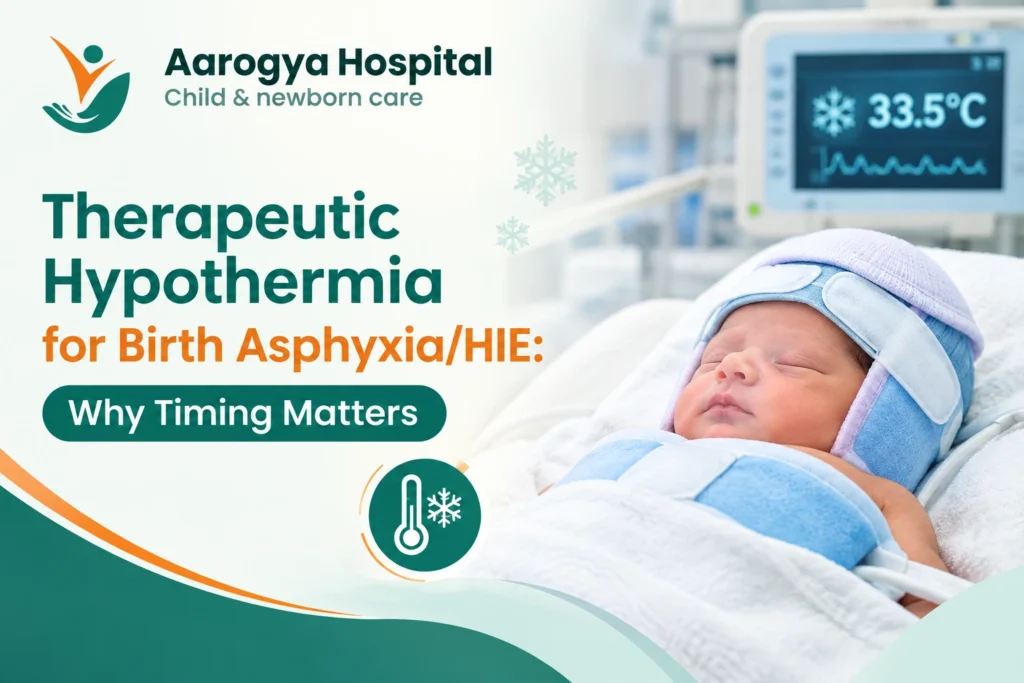
Therapeutic Hypothermia for Birth Asphyxia/HIE: Why Timing Matters

Birth is a special time for every family. However, some babies may not get enough oxygen before, during, or after birth. This can affect their brain and may require urgent medical care. Therapeutic hypothermia is a treatment that helps protect the brain of some newborn babies. These babies may have a brain injury caused by a lack of oxygen. This condition is called Hypoxic-Ischaemic Encephalopathy (HIE). During this treatment, doctors carefully lower the baby’s body temperature. This helps reduce further damage to the brain. Timing is very important. For babies who need this treatment, doctors should ideally start it within the first six hours after birth. In this guide, Aarogya Hospital, Chandigarh, explains newborn cooling therapy, how it works, and why starting treatment early is important. What Is Birth Asphyxia? Birth asphyxia happens when a baby does not get enough oxygen before, during, or shortly after birth. As a result, the baby’s brain and other organs may not get enough oxygen-rich blood. This can happen due to problems during pregnancy, labour, or birth. However, not every baby who does not get enough oxygen during birth develops brain damage. Sometimes, a lack of oxygen can harm a baby’s brain. This can lead to a condition called Hypoxic-Ischaemic Encephalopathy (HIE). What Is Hypoxic-Ischaemic Encephalopathy (HIE)? HIE is a type of brain injury in newborn babies. It happens when the brain does not get enough oxygen and blood flow. HIE can be mild, moderate, or severe. Therefore, doctors need to check the baby as soon as possible. Some possible warning signs include: Difficulty breathing after birth. Weak muscles or a floppy body. Being very sleepy or difficult to wake. Difficulty sucking or feeding. Seizures or unusual body movements. Needing breathing support for a long time after birth. These signs do not always mean the baby has HIE. However, doctors must check the baby quickly, especially if there were problems during birth that caused low oxygen levels. What Is Therapeutic Hypothermia for Newborns? Therapeutic hypothermia is also called newborn cooling therapy or brain cooling treatment for HIE. It helps protect the brain after a baby has suffered from a lack of oxygen. During treatment, doctors use special equipment to gently lower the baby’s body temperature to around 33.5°C. If the baby is suitable for this treatment, cooling usually continues for 72 hours (3 days). After 72 hours, doctors slowly bring the baby’s temperature back to normal. This treatment slows down some of the harmful changes that can damage brain cells after oxygen loss. However, not every newborn needs cooling therapy. A neonatal specialist must first check the baby and decide whether this treatment is suitable. Why Does Timing Matter in Therapeutic Hypothermia? When a baby’s brain does not get enough oxygen, brain cells can become damaged. Some damage may continue even after the baby’s oxygen levels improve. Therapeutic hypothermia slows down some of these harmful changes. However, doctors need to start treatment early for the best chance of benefit. For eligible newborns, treatment should ideally begin within the first six hours after birth. Research shows that cooling therapy can improve survival and lower the risk of major long-term disabilities in selected babies with moderate-to-severe HIE. Here is why early treatment is important. 1. It Helps Protect Brain Cells A lack of oxygen can damage a baby’s brain cells. This damage may continue even after oxygen levels return to normal. Therapeutic hypothermia slows some of these harmful changes. As a result, it may help reduce further brain damage. 2. Early Treatment May Improve the Outcome Research supports starting cooling therapy within the first six hours for eligible newborns. Waiting too long may reduce the benefits. Therefore, doctors need to recognise HIE quickly and decide whether the baby needs treatment. 3. It May Reduce Long-Term Problems HIE can affect a child’s movement, learning, hearing, vision, and development. For eligible babies, therapeutic hypothermia can improve the chances of survival without major disability. However, it cannot prevent every problem or guarantee full recovery. 4. It Helps Doctors Plan Further Treatment Early diagnosis helps doctors check the baby’s breathing, brain activity, and other organs. Doctors can then plan the right care. This may include breathing support, seizure treatment, and brain monitoring. How Does Therapeutic Hypothermia Work? Therapeutic hypothermia involves several steps. Doctors and nurses watch the baby closely throughout the treatment. Step 1: Checking the Baby First, doctors check the baby’s birth history, possible oxygen loss, blood test results, and brain function. These checks help them decide whether the baby needs cooling therapy. Step 2: Cooling the Baby If the baby meets the treatment criteria, doctors use special equipment to lower the baby’s body temperature. For many eligible newborns, the target temperature is around 33.5°C. Step 3: Monitoring the Baby During treatment, doctors and nurses regularly check the baby’s: Body temperature. Heart rate and breathing. Blood pressure. Blood test results. Brain activity and overall health. They also watch for seizures and other problems. Doctors may use EEG or aEEG tests to check brain activity when needed and available. Step 4: Continuing the Treatment Cooling usually continues for 72 hours in eligible newborns. During this time, the medical team provides supportive care and checks the baby’s condition. Step 5: Slowly Warming the Baby After 72 hours, doctors slowly bring the baby’s temperature back to normal. The medical team continues to monitor the baby during this process. Which Newborns May Need Therapeutic Hypothermia? Cooling therapy is generally used for eligible babies born at 36 weeks of pregnancy or later who have moderate-to-severe HIE. Before starting treatment, doctors check: Whether the baby had low oxygen levels around birth. Blood test results and other medical findings. Signs of moderate or severe brain injury. Seizures or unusual brain activity. The baby’s age at birth and overall health. In some cases, doctors may also consider treatment for babies born at 35 weeks. They must carefully assess the risks and possible benefits. Cooling therapy is generally not recommended for babies born before 35 weeks or […]
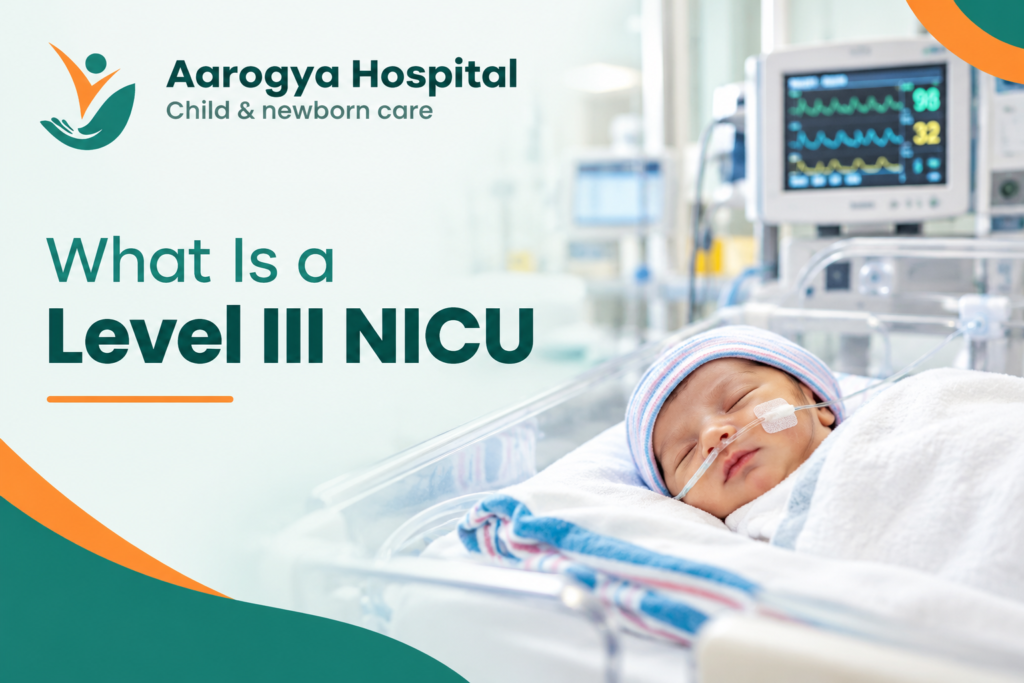

Level III NICU in Chandigarh providing advanced care for premature and critically ill newborns
BLOG

What Is a Level III NICU? A Parent’s Guide

When a newborn needs special medical care, parents may hear terms like “Level III NICU” and wonder what they mean. A Level III NICU provides advanced care for premature, very sick, or medically complex newborns. If you are looking for a Level III NICU in Chandigarh, knowing what care and services are available can help you make the right decision for your baby during a difficult time. What Is a Level III NICU? A Level III NICU is a special hospital unit that cares for newborns who need close monitoring and intensive treatment. Some babies may be born very early, while others may have breathing problems, infections, low birth weight, or other health problems that need special newborn care. A Level III NICU usually offers: Specialised neonatal doctors and trained nursing staff Continuous monitoring of newborns Advanced breathing support Equipment designed for premature and critically ill babies Care for newborns with serious infections or complications Access to specialist investigations and treatments Support for babies who need longer intensive care However, services vary between hospitals. Therefore, parents should ask the hospital team exactly what level of neonatal care is available. Which Babies May Need a Level III NICU? Not every newborn needs intensive care. Doctors recommend NICU care when a baby needs close monitoring or special treatment. A baby may need Level III NICU care because of: Very premature birth Very low birth weight Breathing problems Severe infections Difficulty maintaining oxygen levels Low blood sugar or other metabolic problems Complications around birth Need for advanced respiratory support Certain congenital conditions Problems that require specialist neonatal monitoring Because every baby is different, doctors assess each one individually and decide which level of care is appropriate. What Care Does a Level III NICU Provide? A Level III NICU offers several forms of advanced newborn care. 1. Breathing Support Some premature or sick newborns may have trouble breathing on their own. Therefore, the NICU may provide breathing support based on the baby’s needs. This may include oxygen, non-invasive breathing support, or a ventilator when needed. 2. Continuous Monitoring The NICU team closely tracks a baby’s: Heart rate Breathing Oxygen levels Temperature Blood pressure Feeding and fluid balance This constant monitoring helps doctors and nurses spot changes quickly and act without delay. 3. Care for Premature Babies Premature babies may have problems with breathing, feeding, keeping warm, and fighting infections. Therefore, a Level III NICU provides special care while the baby’s organs continue to grow and develop. 4. Care for Low-Birth-Weight Babies Babies with low birth weight may need extra help with feeding, keeping warm, breathing, and preventing infections. During their stay, the NICU team closely checks their growth, health, and overall condition. 5. Treatment for Newborn Infections Newborns can become very sick because of infections. In these cases, the NICU team closely monitors the baby, performs the needed tests, provides supportive care, and gives antibiotics when needed. 6. Feeding Support Some premature or sick babies may not be able to feed normally at first. In such cases, the neonatal team provides the right feeding support and closely monitors the baby’s nutrition and growth. What Makes Level III NICU Care Different? The main difference is the higher level of specialised care. A Level III NICU usually has advanced equipment, trained neonatal staff, and the ability to care for very sick newborns. However, the facilities and specialist services can vary between hospitals. Therefore, parents should ask about the NICU facilities and services before choosing a hospital. How Long Does a Baby Stay in a Level III NICU? There is no fixed time for a baby to stay in the NICU. Some babies may need care for a few days, while premature or seriously ill babies may need care for several weeks or longer. The length of stay depends on: Gestational age Birth weight Medical condition Breathing needs Feeding ability Growth and weight gain Response to treatment During this time, doctors regularly check the baby’s progress and talk with the parents about the next steps in care. What Should Parents Ask About a Level III NICU? If your baby may need intensive neonatal care, consider asking the hospital team: What level of NICU care does the hospital provide? Which breathing support options are available? Is a neonatologist available? How are premature and low-birth-weight babies managed? What monitoring is available? How are parents involve in their baby’s care? What happens if the baby needs a higher level of specialist treatment? Is newborn referral or transfer support available? Asking these questions early can help you understand the care and services available before and during your baby’s NICU stay. When Should Parents Seek Urgent Newborn Care? Newborns can become unwell very quickly. Seek urgent medical help if your baby: Has difficulty breathing Looks blue or unusually pale Is not feeding properly Is unusually sleepy or hard to wake Vomits repeatedly Has a fever or unusually low temperature Has seizures Has severe pauses in breathing Shows signs of serious infection If your newborn looks very unwell, do not wait at home. Seek medical help immediately. Level III NICU in Chandigarh When choosing a Level III NICU in Chandigarh, check the hospital’s NICU facilities, medical team, monitoring equipment, emergency care, and referral support. Aarogya Hospital Chandigarh provides specialised newborn and NICU care for babies who need close monitoring and medical support. Parents can speak with the neonatal team to understand the care their baby needs. The right level of care depends on each baby’s condition, so always follow the advice of your baby’s doctor or neonatologist. Conclusion A Level III NICU provides advanced care for premature, seriously ill, or medically complex newborns. It offers close monitoring, breathing support, feeding help, infection treatment, and other specialised care based on each baby’s needs. If your newborn needs NICU care, talk to the medical team about your baby’s condition, available treatments, and the level of care needed. For advanced newborn care in Chandigarh, Aarogya Hospital can help families understand their baby’s care and treatment […]

Aarogya Support 1

Aarogya Hospital Chandigarh

Doctor Avatar
Welcome to Aarogya Hospital (Near PGI Chandigarh) 🏥
I'm your assistant here to help with your medical enquiry.
Doctor Avatar
Which of our services or departments are you interested in?